America was built on the promise of ownership. A family could work hard, buy a home, raise children, build savings, and create a better future for the next generation. That promise was not just about money. It was about dignity, independence, and freedom.
Today, millions of Americans are living inside a different system.
Instead of ownership, many families are handed credit. Instead of savings, they are offered loans. Instead of financial stability, they are pushed into monthly payments, rising interest, buy-now-pay-later plans, payday lending, car debt, student debt, medical debt, and credit card balances that never seem to disappear.
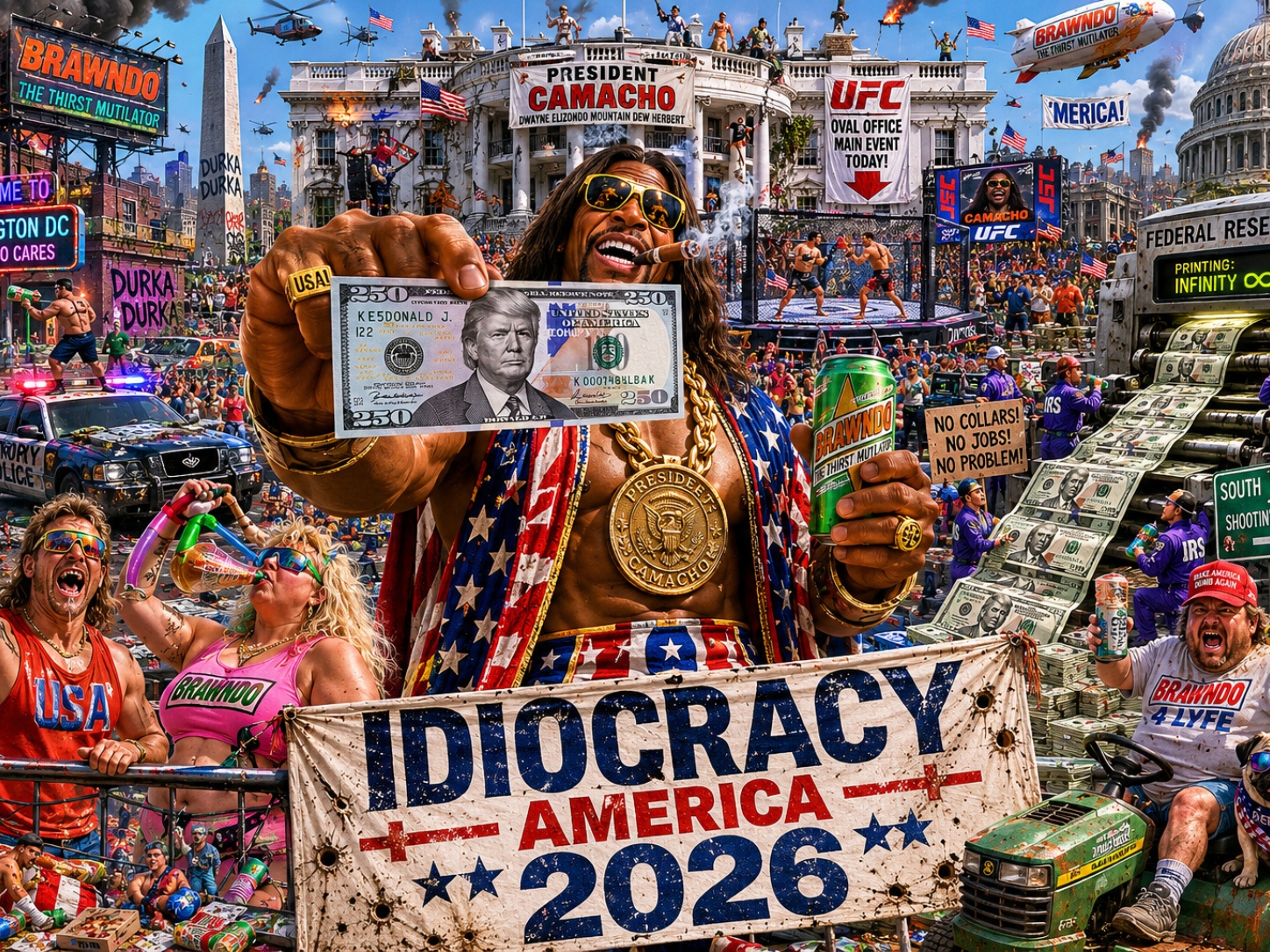
This is how a nation becomes a fake plastic nation.
From the outside, everything may look normal. People still drive cars, eat at restaurants, shop online, take vacations, and try to keep up with the life they were told they should have. But behind the appearance, many households are stretched thin. The lifestyle looks polished, but the foundation is fragile.
Credit has become the replacement for prosperity.
When wages fail to keep up with real living costs, credit fills the gap. When housing becomes unaffordable, families borrow more. When emergencies happen, people swipe a card. When groceries, insurance, rent, energy, healthcare, and transportation rise, citizens are told to “manage better” while the system quietly profits from their struggle.
The problem is not that Americans are irresponsible. The problem is that the economy has been reshaped in a way that rewards debt dependency more than productive stability.
Banks, lenders, corporations, and financial institutions benefit when citizens are stuck in payment cycles. Interest grows. Fees stack up. Minimum payments keep people moving without letting them escape. The more pressure families face, the more profitable the debt machine becomes.
A strong country cannot be built on permanent financial exhaustion.
The American Restoration Movement believes economic restoration must place citizens, families, workers, and small businesses back at the center of national policy. America needs an economy where people can build real wealth, not just maintain appearances through debt.
That means restoring fairness in the financial system. It means defending the middle class from policies that benefit insiders while ordinary families carry the burden. It means challenging systems that trap people in loans, inflated costs, and financial dependency.
Credit should be a tool, not a cage.
A healthy America should make it possible for citizens to save, own homes, start businesses, raise families, and retire with dignity. People should not have to borrow their way through basic life. They should not have to depend on high-interest credit just to survive normal expenses.
The American Dream was never meant to be rented, financed, and repaid forever.
It was meant to be built.
If America wants a real future, the nation must stop celebrating fake prosperity and start restoring real economic freedom. That begins with honest reform, responsible leadership, stronger communities, and citizens willing to demand a system that works for the people again.
The debt trap is not the destiny of America.
With courage, truth, and reform, the American Dream can still be restored.